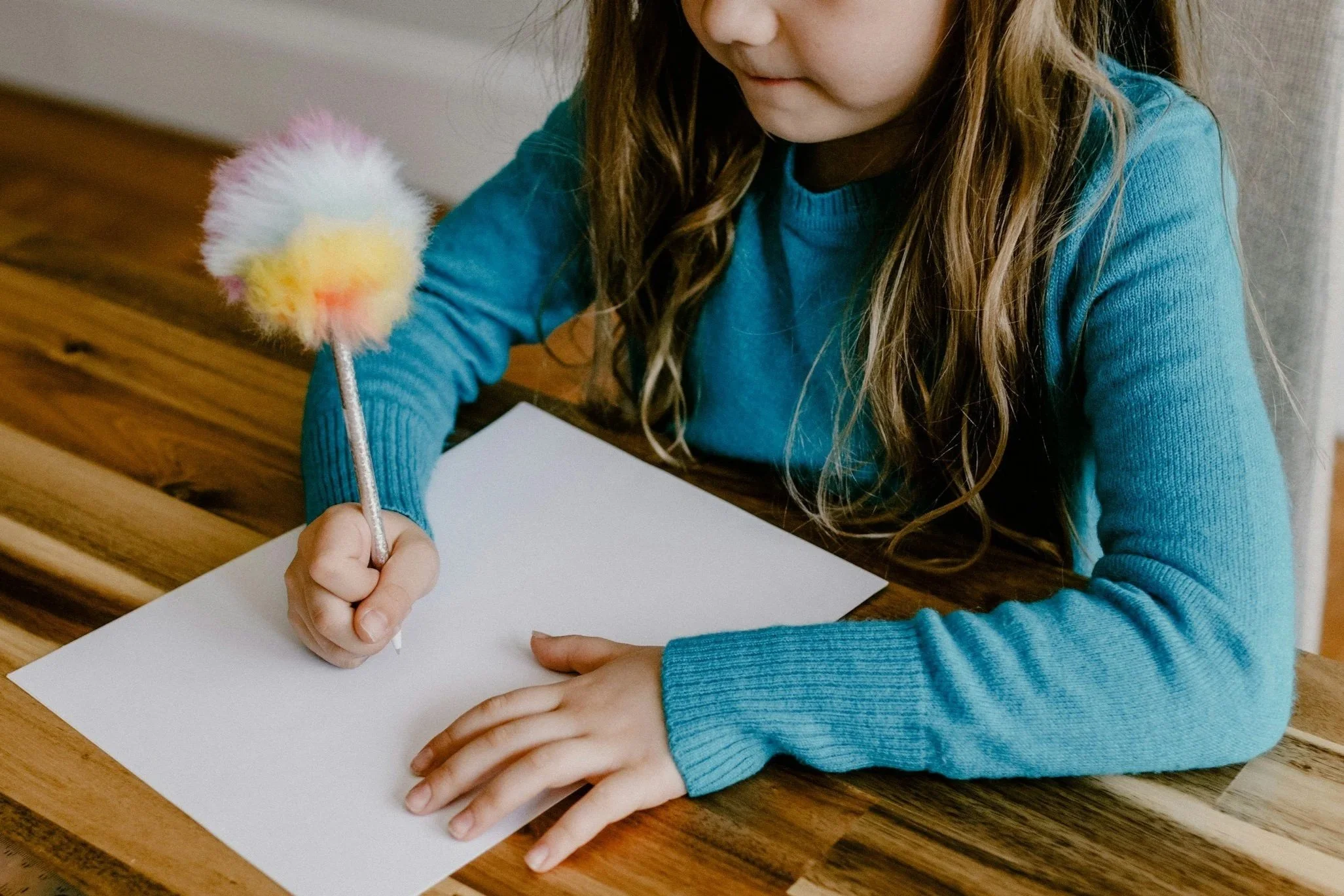
Whatever happened to saying “thank you”?
Gratitude, Good Manners and Modern Etiquette for Children
There was a time when receiving a handwritten thank-you note wasn't unusual. Whether it followed a birthday, a dinner party, a job interview or simply an act of kindness, it was a thoughtful gesture that let someone know their generosity had been noticed and appreciated.
Today, our communication is faster than ever. We can send a message in seconds, react with an emoji, or reply with a quick "Thanks!" before moving on to the next notification.
Many parents are looking for ways to help their children build confidence, communicate respectfully and develop strong social skills. At June Dally-Watkins, our modern manners classes in Brisbane, etiquette classes on the Gold Coast, and personal development programmes for children and teenagers across Australia teach practical life skills that help young people thrive at school, at home and in future workplaces.
Yet perhaps the question isn't whether we communicate more.
It's whether we
express gratitude with the same intention.
At June Dally-Watkins, the modern manners experts, we have always believed that manners aren't about outdated rules or rigid etiquette. They are about making people feel respected, valued and appreciated.
A thank-you note was never simply about putting pen to paper. It was about pausing long enough to acknowledge that someone had made a difference.
Whether it's a mentor who shared their wisdom, a colleague who stayed back to help, a friend who opened their home, or someone who gave us an opportunity, taking the time to say "thank you" remains one of the simplest yet most powerful expressions of kindness.
For children and teenagers, learning gratitude isn't simply about remembering good manners. It helps build empathy, emotional intelligence and stronger relationships. These are the same qualities developed through modern manners training for children in Brisbane, social etiquette classes on the Gold Coast, and personal development programmes that prepare young people for life beyond the classroom.
Does gratitude have to be handwritten?
Not at all. A thoughtful email, a genuine phone call or even a heartfelt text can all leave a lasting impression. What matters most isn't the format - it's the sincerity behind it.
However, there is still something undeniably special about receiving a handwritten note. In a world where so much of our communication disappears with the swipe of a screen, a handwritten message is tangible. It says,
"You mattered enough for me to take the time."
This is one of the reasons that writing a thank-you note continues to be part of the June Dally-Watkins Modern Manners programme. While some students initially see it as a tradition from another era, they quickly discover that it is far more than that. It is an opportunity to reflect, express genuine gratitude, and recognise the impact another person has had on their lives. Perhaps that is one tradition worth keeping alive.
Our hope is that the next generation will see gratitude not as an obligation, but as an opportunity to strengthen relationships, acknowledge kindness and leave a lasting impression.
Gratitude is one of the simplest ways young people can develop confidence in social situations. Whether thanking a teacher, acknowledging a coach or expressing appreciation after a job interview, these everyday habits form the foundation of respectful communication—something we encourage through our confidence and etiquette programmes for teenagers in Brisbane and modern manners courses across Australia.
Because good manners have never been about being old-fashioned. They’ve always been about making other people feel valued. And gratitude, in any form, never goes out of fashion.